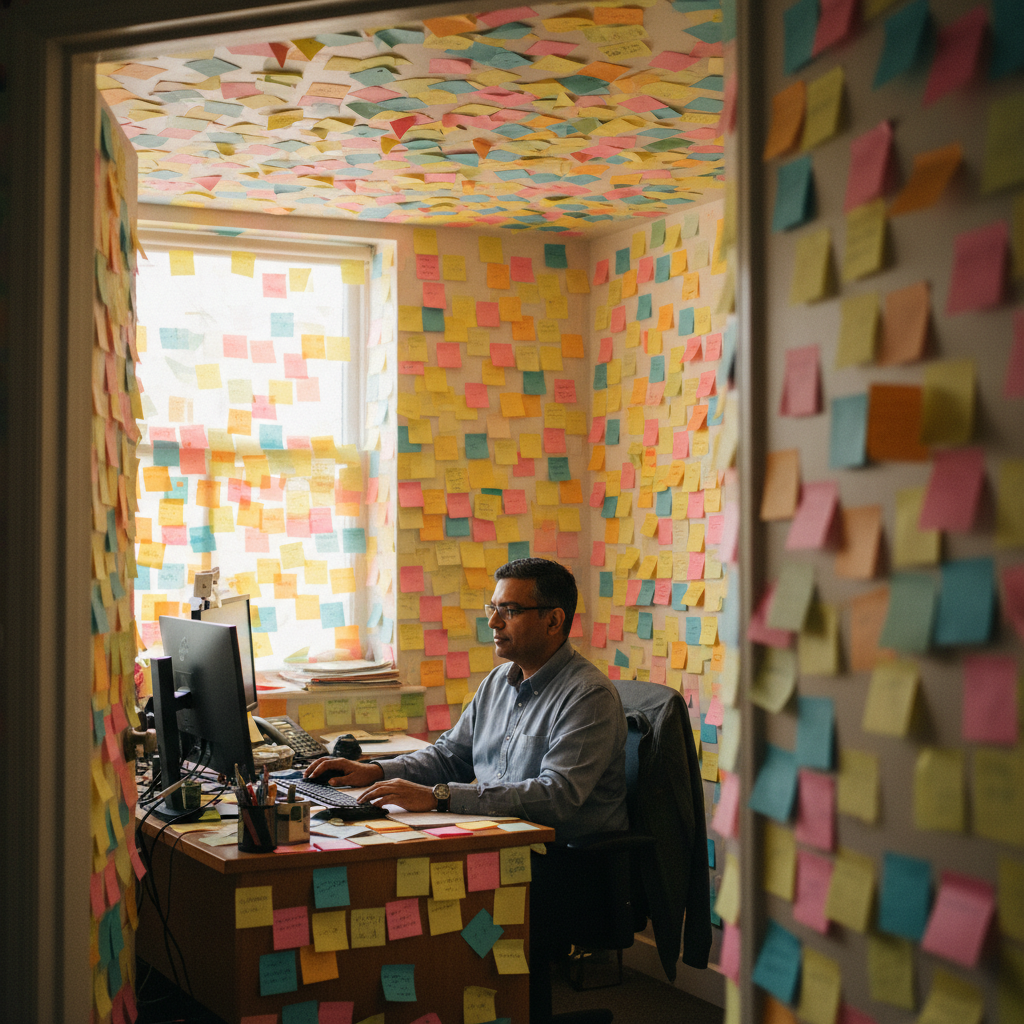
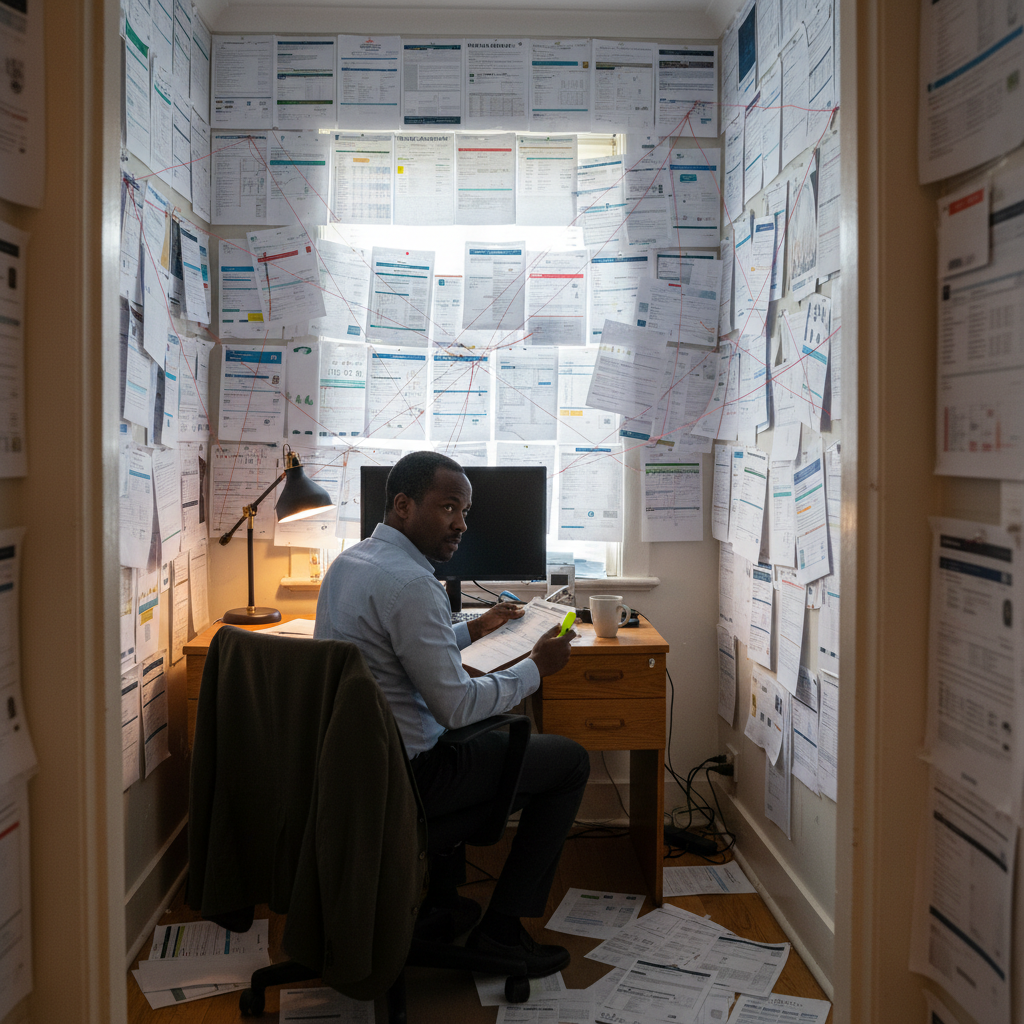
When daily work feels heavy, it is rarely everything breaking at once — typically, a single point of drag repeats itself day after day. Noor is a free, 15-minute conversational diagnostic designed to detect that exact friction. No generic advice, no dense set of recommendations to interpret. The process starts with a straightforward conversation that locates the root cause, leading to practical actions a team can actually use.
Sometimes nothing is obviously wrong. The work still moves. Clients are still served. The team is still busy. And yet everything takes more effort than it should.
Noor is a short conversational diagnostic built for that kind of situation. Not a quiz. Not a checklist. A guided conversation that listens for the pattern in how the work is moving, where effort is being lost, and what is quietly creating drag.
It suits businesses where progress has become heavier than it should. Teams that grew from five to twenty and found that what used to hold no longer does.
The report that follows does not try to solve everything. It identifies what is creating the resistance, where to look first, and whether the issue is worth addressing at all. That matters. Time is often lost solving the wrong problem very efficiently.
Noor does not ask for financial data, client details or confidential material. It looks at how work moves. The report arrives by email. Specific. Written for action.
The world around independent practice is shifting. More of what once seemed inseparable from experience now appears repeatable. More of what took years to build now looks, at least from the outside, transferable.
That does not make the work less valuable. It makes precision more important.
Noor produces a Practice Map. Not a personality profile. Not a skills inventory. A written account of the patterns in how the practitioner works: what is noticed first, how judgement is formed, where the standard route stops being enough, what clients rely on that was never formally named.
The conversation stays with the practice itself. Approach. Priorities. Judgement. The way problems are read and worked through. It does not ask for case material, session content or confidential client information.
From that conversation, Noor produces a clear, structured map in language that stays close to how the practitioner already thinks and works. Something to return to as the field shifts.
Nothing confidential is required. The process is GDPR compliant.
A service can look complete and still fail at the moment of use. When that happens, teams become the manual bridge to keep things moving. Tala is a service diagnostic that pinpoints exactly where a digital service loses people and builds the missing layer to close the gap. No generic advice, dense UX audits, or recommendations to interpret — just pragmatic, actionable solutions.
The vocabulary is already familiar. There may have been a UX audit, a usability review, an accessibility assessment. The report was thorough. The recommendations were sound. And yet the service still creates drop-off, confusion, repeat contact, or hidden workarounds.
That does not mean the diagnosis was wrong. It means diagnosis and resolution are different acts. Most engagements end at the first.
Tala starts where most audits stop. Not with another review of what is already known, but with the question of what is actually generating the friction, and whether it has been framed correctly in the first place.
The findings become a clear brief for what needs to change. The work stays close to real use until the service holds.
A short initial conversation establishes whether the situation is one Tala should take on. No brief required. If it is, the engagement follows a clear shape: locate the break, design the missing layer, stay through first use.
It ends when the service holds and the organisation can carry it forward. No subscription. No ongoing dependency.
The process was built. The platform launched. The IT team confirmed it works. And yet people still call instead of completing the task online. Staff walk users through steps that were designed to be self-service. A paper document appears halfway through. Someone inside the organisation quietly bridges the gap. Before long, a second workflow is running beside the official one.
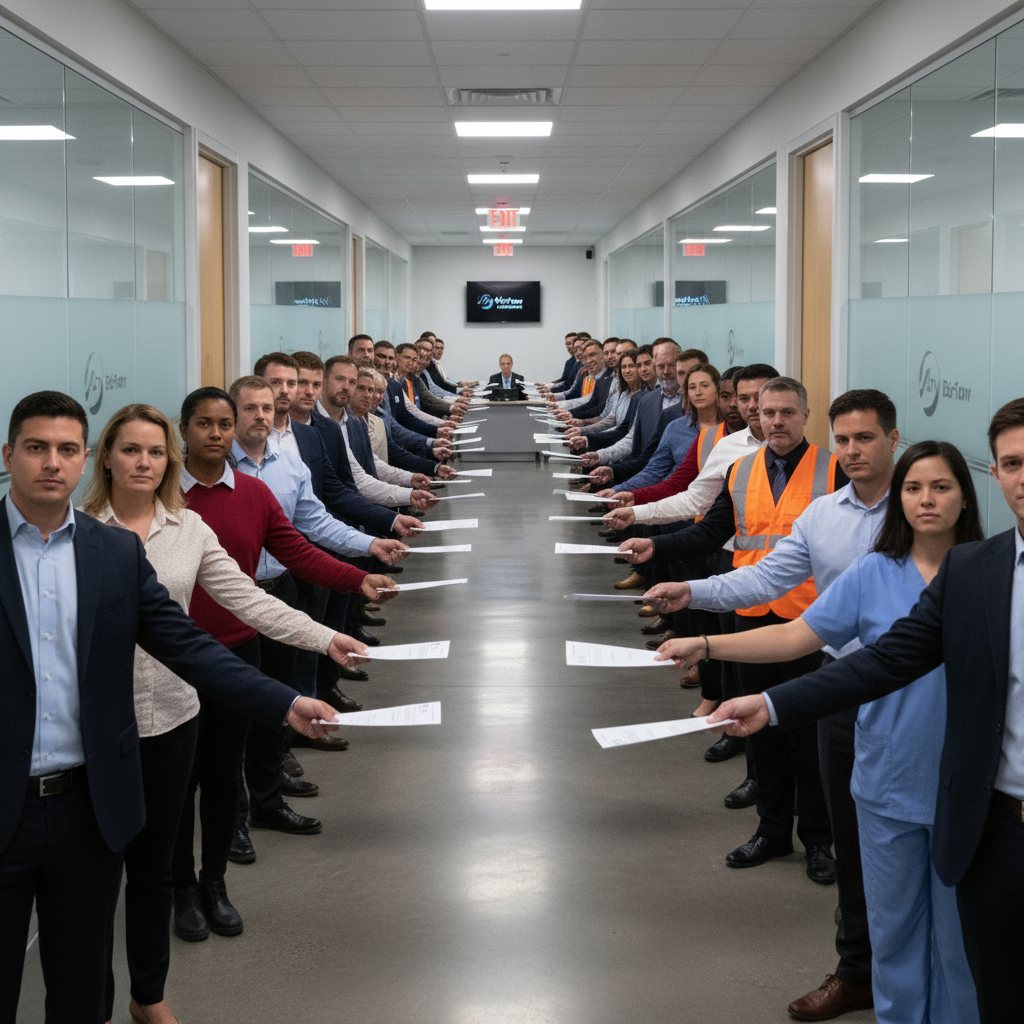
This is not usually a technology problem. A service can function and still fail under real conditions. Real people are tired, interrupted, multilingual, short of time, uncertain, or simply unfamiliar with the system in front of them. If the service cannot carry them through that reality, staff end up carrying them instead.
That is the gap Tala works on. Tala finds where the service is losing people and designs the part that closes it. Not a report. Not a deck of recommendations. A working layer, fitted to this service and these users, that holds under real use.
When daily work becomes heavy, generic software falls short. Sed defines a new category — precision systems forged from operational depth, combining purpose-built AI agents with genuine human-in-the-loop understanding. Every solution blends engineered intelligence with the richness of lived experience, making sure the missing layer reflects how people actually use digital systems.
Sed moves past static solutions. Where other providers deliver a one-off and move on, Sed iterates. Each solution is tested inside the live workflow and shaped by the real outcome it creates — not by what is easiest to ship. Every cycle brings a solution closer to real impact, adapting until it fits.
Bespoke systems are now within reach. Sed integrates seamlessly with existing workflows, exposing hidden efficiencies and building stronger operations layer by layer. Each solution is delivered fit-for-purpose — no waste, just results that compound through real use.